Tag: mental health

  • Understanding Heroin Chic: The Aesthetic of the 90s

    Understanding Heroin Chic: The Aesthetic of the 90s

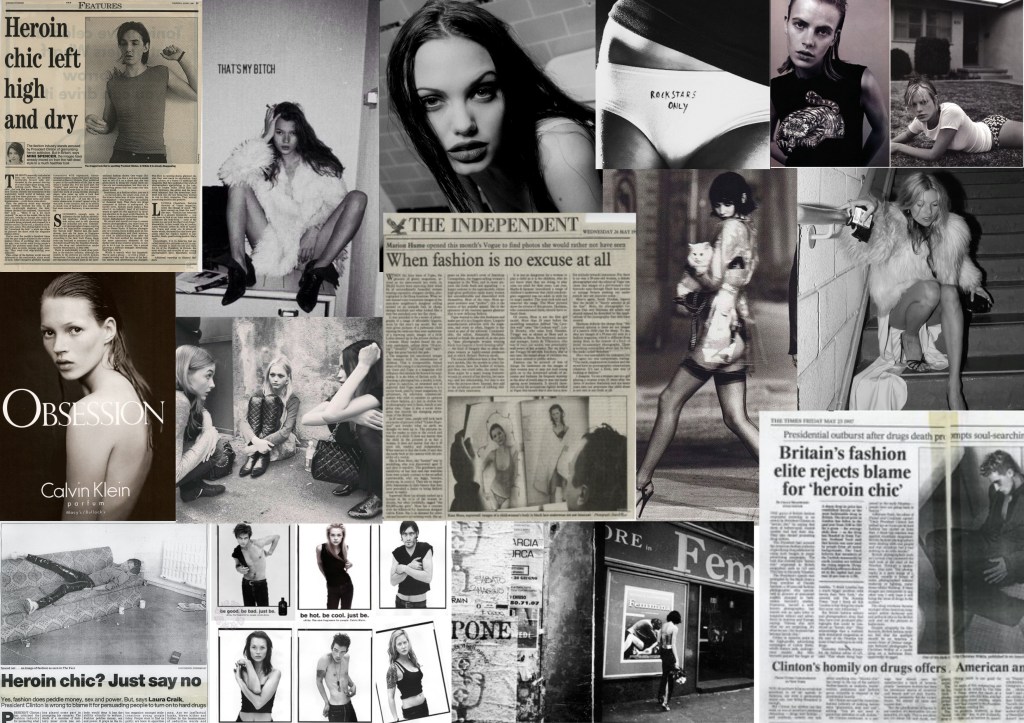
    Ah, Heroin Chic. Even the name drips with controversy, conjuring images of hollowed-out cheekbones, smudged eyeliner, and a willowy frailty that could snap in a stiff breeze. If the ’80s were cocaine-dusted, champagne-fueled opulence, the ’90s dragged the party into the bathroom stall and turned on the flickering fluorescent light. This wasn’t just fashion; it was a full-blown aesthetic manifesto: decay, addiction, and rebellion served up as sexy, gritty art.

    Kate Moss—our poster child for the movement—was the face of this revolution. Waifish and wide-eyed, she became synonymous with the look. Who could forget the first time you stumbled across the infamous quote on Tumblr, “Nothing tastes as good as skinny feels,” paired with Kate’s haunting gaze? It’s an image seared into the collective memory of anyone who’s ever searched “edgy thinspo” at 2 a.m. Designers like Calvin Klein lapped it up, splashing this aesthetic across runways and ad campaigns. It was androgyny, fragility, and just rolled out of a bar fight with my rockstar boyfriend chic—a sharp pivot from the ’80s supermodel era, where big hair, big smiles, and big egos reigned supreme.

    Behind the scenes, photographers like Corinne Day and David Sims doubled down on the rawness. Their work didn’t just flirt with the spirit of this aesthetic—it French-kissed it in a back alley. Unapologetically romanticizing the messy, tragic seduction of addiction and alienation. The aesthetic bled into pop culture, turning up everywhere from Vogue to MTV. It was grunge for your closet, nihilism in a mascara ad.

    But not everyone was clapping. Critics—and there were plenty—called the whole thing out for what it was: a thinly veiled glorification of addiction and an unhealthy body image. The timing couldn’t have been worse. While Heroin Chic’s hollow-eyed muses smoldered on magazine covers, the heroin epidemic was wrecking communities across the world. Addiction, suffering, and death weren’t chic—they were devastating.

    And let’s not forget the body image disaster. This era did a number on how we define beauty. Models looked less “fashionably thin” and more “haven’t eaten since the Clinton administration.” For anyone struggling with body image, this was gasoline on an already raging fire. Eating disorders spiked, and young people everywhere were left chasing an unattainable ideal.

    By the late ’90s, the pendulum started to swing back. Fashion had its oops, maybe we went too far moment. Healthier bodies began to appear on runways, and Heroin Chic was quietly shuffled into the “bad idea” file of fashion history. But the damage was done. The ripple effects—on both the modeling industry and society at large—are still felt today.

    And speaking of the modeling industry, sure, we’ve made progress. Runways now host a kaleidoscope of body types, and “body positivity” is more than just a trending keyword. But the shadow of Heroin Chic still looms, a cautionary tale wrapped in chiffon and eyeliner.

    So let’s call Heroin Chic what it was: a moment of rebellion that danced with danger but left us with scars. It challenged beauty standards, but at a cost we’re still paying. The toll? Hormonal wreckage, mental health crises, and a generation of young people who think happiness comes in size 0. While we might be tempted to romanticize it in the warmth of nostalgia, let’s not forget the cold, hard truth: some trends should stay buried in the archives. 
  • Romanticise Your Life: Find Beauty in Everyday Moments

    Romanticise Your Life: Find Beauty in Everyday Moments

    My Motto for Life: “Romanticise the World”

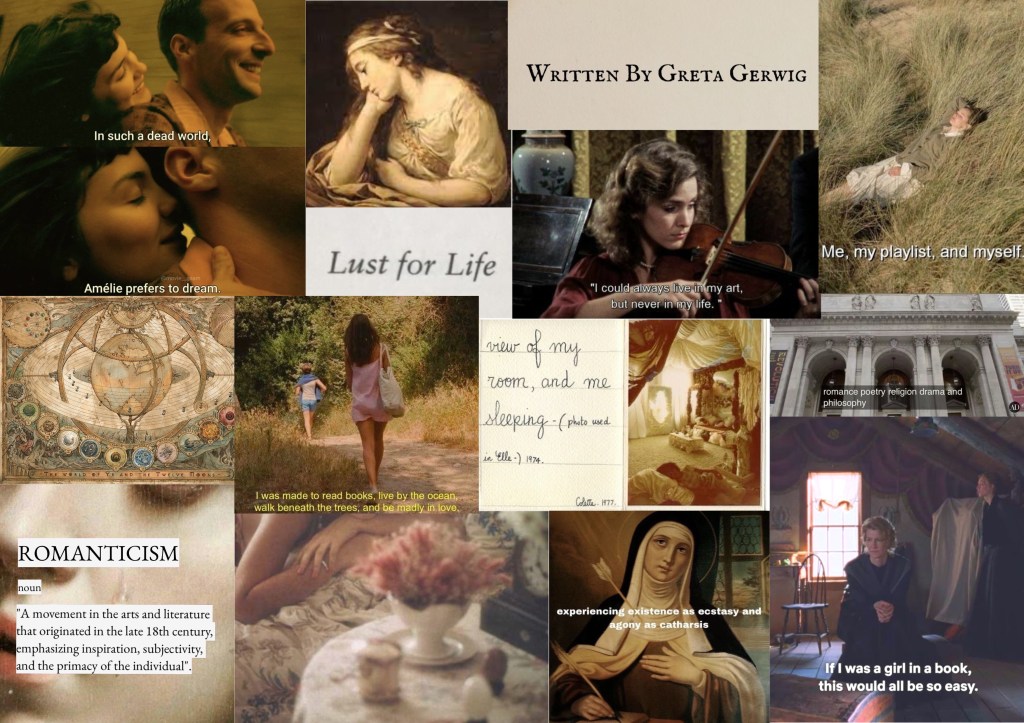
    If there’s one thing I’ve learned in my lust for life is that it’s all about making it feel more like an indie film and a little less like a laundry list of tasks. Life is infinitely better when you romanticise the world. To me, it’s not about ignoring reality but dressing it up a little—finding beauty in the mundane. I’ve always been drawn to the experience of everyday moments—those fleeting, seemingly insignificant instances that hold a quiet magic. A cup of tea steaming on a windowsill, the sunlight on cobblestones, the sound of your favourite song or a sweet scent that somehow makes you think of an old love. Call me sentimental, but I’d rather live as if I’m starring in my own heartfelt montage.

    Sometimes, even sadness has a strange kind of beauty. Melancholy is poetic—it’s the deep breath before you write a tear-stained journal entry or the rain against your window as you watch the world blur. Romanticising these moments doesn’t mean glorifying pain; it’s about finding the thread of beauty in them. It’s turning the gray clouds of your mood into a mood board for something meaningful. Think about the songs you listen to when you’re sad—aren’t they somehow the most beautiful? There’s a reason heartbreak inspires art. Melancholy teaches us to sit with our emotions, to feel deeply, and to reflect. There’s a quiet intimacy in sadness, a rawness that makes us human. It’s in these moments that we often understand ourselves better, that we tap into creativity, and that we can connect with others on a deeply empathetic level. If happiness is the sunlight, then melancholy is the moonlight—subtle, softer, but no less enchanting.

    Whether it’s a perfectly curated Pinterest board or the way you drape a scarf over your shoulder just so, aesthetics matter. They’re not frivolous; they’re how we make the ordinary extraordinary. You’d be amazed at how putting fresh flowers on your desk or lighting a candle can transform the day. Dress up—even if it’s just for yourself. Buy the fancy notebook. Life’s too short to wait for special occasions to make things lovely. The secret? When everything feels like an occasion, the world begins to sparkle.

    What’s a leading lady without her ensemble cast? Friends and love bring color to the grayscale moments of life, and they deserve their own cinematic close-ups. Romanticising your relationships means treasuring the traditions you share—like going to your favourite places together every week or sending secrets at midnight. Love, whether it’s a partner or platonic, is a story worth cherishing. It’s finding poetry in the way someone knows your coffee order or sends you photos of something that made them think of you. 

    Advice: How to Find Beauty in the Mundane

    1. Slow Down: Sometimes beauty hides in plain sight, but you have to stop rushing to notice it. Look up at the trees, watch the clouds, or just admire the way your tea steams in the morning light.
    2. Set the Scene:Create a little theater of beauty in your everyday life. Decorate your bedroom with soft lighting and cozy textures, and surround yourself with curated trinkets that tell your story—a seashell from a past trip, a framed photo, or a little statue that makes you smile. Turn even the most mundane routines into rituals that feel intentional and special.
    3. Look for Small Joys:Notice the quiet wonders around you—a stranger’s unexpected kindness, the satisfying crunch of leaves beneath your feet, chirping of birds in the morning, savoring how soft fabric feels warm and comforting against your skin. Seek out moments that make you pause, breathe, and feel grateful.
    4. Document It: Take photos, keep a journal, or make playlists that capture how a moment feels. Memory fades, but art keeps the beauty alive.

    Life won’t always hand you grand, sweeping gestures, but it will give you endless small moments of wonder if you know how to look for them. Immerse yourself in a story that changes the way you see the world. Devour a book that opens your eyes to new truths and shakes the foundations of everything you thought you knew. Watch a film that lights a fire in your soul, reminding you of the beauty, power, and fragility of the human experience. Here’s to romanticising the world—may your days feel like poetry and your nights like dreams. Now go light that candle.