Tag: Culture

  • Navigating the Anti Art Algorithm: A New Era for Artists

    Navigating the Anti Art Algorithm: A New Era for Artists

    In the past, artists struggled against kings, religious dogma, fascist regimes, and economic collapse. Today, they’re up against something far more slippery: the algorithm. It does not burn books or break brushes. It simply buries your work in silence.

    We are living through a seismic shift in how art is seen, shared, and valued. And at the heart of it lies a question that no longer feels rhetorical: What happens to culture when creativity is filtered through code?

    Once, the success of art was determined by its emotional impact—how it moved people, disturbed them, made them think. Now, success is defined by metrics: views, likes, comments, shares, saves. Social media platforms have become the default art galleries of our time, but they are not curated by humans with taste or emotional intelligence. They are ruled by machine-learning models trained to prioritize engagement, virality, and ad revenue. Which means, more often than not, the content that survives isn’t what’s meaningful—it’s what’s marketable.

    This has birthed a new kind of creative anxiety: artists are constantly told they must “play the game” in order to be seen. That game includes packaging their work into ten second videos, trendy music, and caption hooks like “day six of revealing my art until it reaches its target audience…” or “go to part two to see the finished piece…” Not because that’s what their art demands, but because that’s what the algorithm prefers. 

    Perhaps more alarming than invisibility is visibility. Because if your art does go viral, it enters a mass digital critique in the comment section. There was a time when people stood in front of a painting or read a poem and reflected. Now they react. Instantly. Publicly. Often cruelly. Comment sections are no longer forums for discussion—they’re bloodbaths of projection, snark, and rage. No matter what you post—something vulnerable, political, abstract, or simply personal—it is inevitably met with a deluge of mockery, moral policing, or the casual brutality of “this sucks.”

    This is particularly dangerous for emerging or sensitive artists, especially those from marginalized communities. The digital mob doesn’t care about context or creative intent. It thrives on controversy, misunderstanding, and dehumanization. The rise of “hate as engagement” means that outrage is incentivized. There’s no time for people to sit with work, to let it breathe. Instead, they scroll, judge, and move on, often leaving behind a trail of venomous comments that stick to the creator like static electricity.

    The result is a new form of censorship—not the top-down, government-mandated kind, but something quieter and more insidious. Artists begin to self-censor. They avoid risk. They strip their work of complexity or nuance, fearing backlash. Or worse, they create for backlash, because in a system where rage boosts reach, controversy becomes strategy. Art becomes bait.

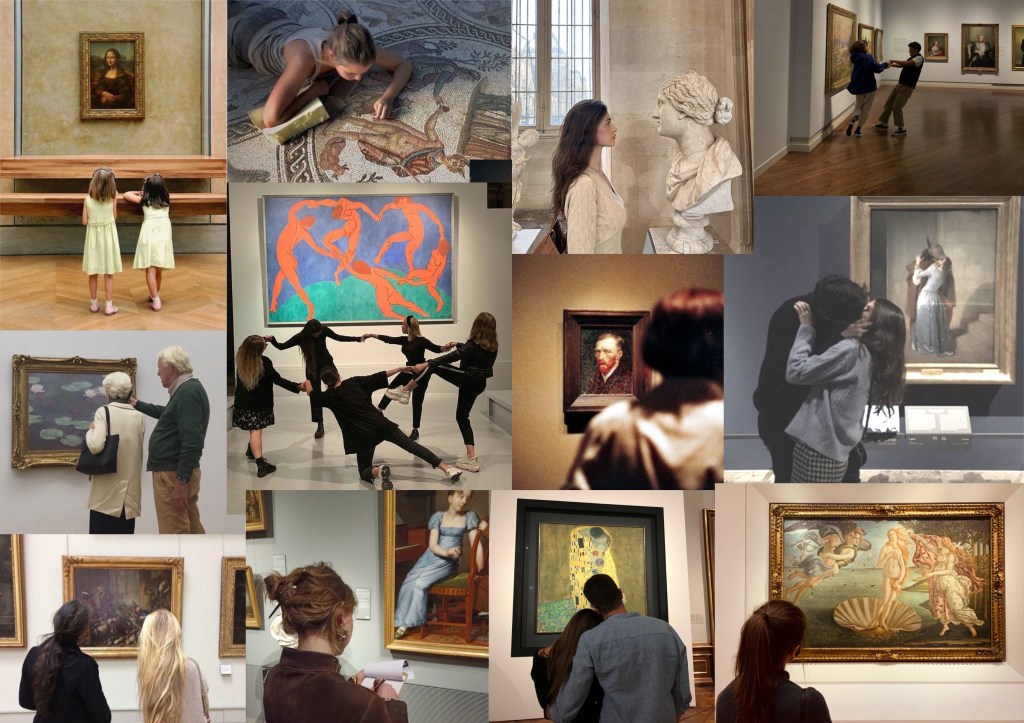
    And yet, what gets lost in this system isn’t just the artist’s intention—it’s our own ability to feel. There is a particular stillness that settles over you when you walk through a gallery—like entering a sacred space where time slows and silence speaks. You don’t just look at a painting; you feel it. The scale, the texture, the brushstrokes—each one pulsing with the artist’s intention, their breath, their labor. You linger longer than you planned, drawn into color, shadow, and suggestion. You tilt your head, lean in, move around the frame. There’s intimacy, presence. You carry it with you.

    But when art is reduced to a glowing rectangle on an iPhone screen, all of that disappears. You scroll past it in a second, barely registering the emotion, and if you do feel something—if a piece reaches you—it’s often crushed beneath comments full of mockery, cynicism, or armchair criticism. Someone will tell you why you’re wrong to love it. And then, just like that, you swipe away, and the feeling vanishes. What could have moved you for years is replaced with the next clip of someone dancing or selling skincare. You forget the art as quickly as you saw it. But the memory of seeing your favorite painting in a museum? That stays. You remember the room, the quiet, the goosebumps. Because no algorithm can replicate the ache of standing before something real.

    We are not meant to consume art like this—in flashes, in fragments, on a screen coated in fingerprints. Art is not designed to be background noise while we wait in line or mindlessly scroll in bed. It’s meant to disturb, challenge, move, comfort, and wake us up. But how can it, when we aren’t allowed to sit with it long enough to even know what we feel? The problem is not that people don’t care about art anymore—it’s that the platforms we use to find it are hostile to slowness, depth, and human connection. They strip away the conditions necessary for transcendence.

    And yet, people still crave art. That’s the paradox. In a world oversaturated with noise, people are starving for something real. But the platforms mediating our access to creativity are fundamentally hostile to the things that make art meaningful: slowness, solitude, struggle, subtlety. The algorithm doesn’t know what to do with a poem that makes you cry for reasons you can’t explain. It cannot quantify the stillness of looking at a painting and feeling your own memories resurface. It cannot measure resonance. It can only track reactions.

    This is the new propaganda: not a loud campaign against art, but a quiet, consistent erasure of its value. It convinces us that if something doesn’t perform, it isn’t worth anything. That beauty must be functional. That artists are only valuable if they are influencers. That the self is a brand, not a vessel. 
  • Medieval Revival: Featuring Interview With Designer Samantha Pleet 

    Medieval Revival: Featuring Interview With Designer Samantha Pleet 

    The air is thick with the scent of damp stone and burning tallow, the flickering light of candelabras casting long shadows across the marble halls. Somewhere beyond the towering arches, a lute strums a melancholic tune, each note carrying the melody of a forgotten age. And in the hush of nightfall, a figure emerges, draped in velvet so dark it seems to drink in the moonlight. The swish of fabric against the cold floor, the glint of metal filigree catching the firelight—this is not the past, but the present, resurrected in silk and steel.

    The medieval revival sweeping through fashion is no fleeting fancy, no mere dalliance with nostalgia. It is a grand reclamation of magic and romance, a yearning for the beauty of an era when garments bore weight, both in fabric and in meaning. The modern world, weary of its own transience, turns its gaze to an age where craftsmanship reigned, where every embroidery thread spun a tale and every jewel held the weight of centuries.

    Designers, like alchemists of old, have transmuted history into haute couture, conjuring forth gowns that hint at courtly love and adventure. Billowing sleeves catch the wind like the sails of a ship bound for unknown lands. “Stays” (the precursor to corsets), recall the sculpted grace of statues in dimly lit chapels. Chainmail gleams in the candlelight, evoking the silent ardency of knights sworn to their cause. Each piece is an incantation infused in wool and linen. 

    The artistry of the Middle Ages unfurls anew, its gilded details and celestial motifs finding their way onto rich brocades and flowing cloaks. Like the sacred relics enshrined in gothic cathedrals, these garments demand reverence. Pearls drip like dewdrops from delicate veils, while precious stones nestle in as if plucked from the crown of a long-beloved queen. Even the architecture of the time—a symphony of pointed arches and soaring spires—finds its place in the structured silhouettes and dramatic drapery of this revived aesthetic.

    Medieval art, painted in gold leaf and deepest azurite, offers another wellspring of inspiration. The intricate illuminations of manuscripts, their swirling vines and delicate figures, appear once more. Triptychs depicting saints with sorrowful eyes and robes of scarlet and sapphire relay their mystery through the intricate folds of modern pattern design. The glow of stained glass windows lend their color palettes to jewel-toned velvets and rich fabrics. Each piece of this revival mirrors the past, not merely in style, but in spirit—honoring an age where every prayer to beauty was hand-spun.

    And what of the stories? The great tales of honor and heartbreak, of knights who ride into the night never to return, of love letters penned on parchment and doused in ink from quill feathers? They, too, live again. The very essence of medieval literature—its devotion to enchantment, its obsession with fate—seeps into the folds of these garments, turning them into wearable poetry. To don them is to step into folklore, to hear the distant clamor of a joust, to feel the hush of a moonlit garden where lovers meet in secret. 

    Why now? When the fashion industry has long replaced its looms for factories? Perhaps it is because we seek the permanence that the Middle Ages promised. In an age of haste, we long for the patience of hand-stitched garments, for the weight of a gown heavy with history. Fashion, ever the mirror of desire, has answered with an invitation: step through the cordiform book, into a time when every piece was a story. 

    In a moment of yearning to keep the Medieval aesthetic from becoming “too online” I posted to my instagram “Medieval revival trending in 2025! This era literally courses through my veins but yea..” coupled with imagery of a chainmail pouch, a middle ages costume design sketch, and the unicorn rests in a garden tapestry. Though with all intentions of being a gatekeeper. Here is where I met Samantha Pleet. 

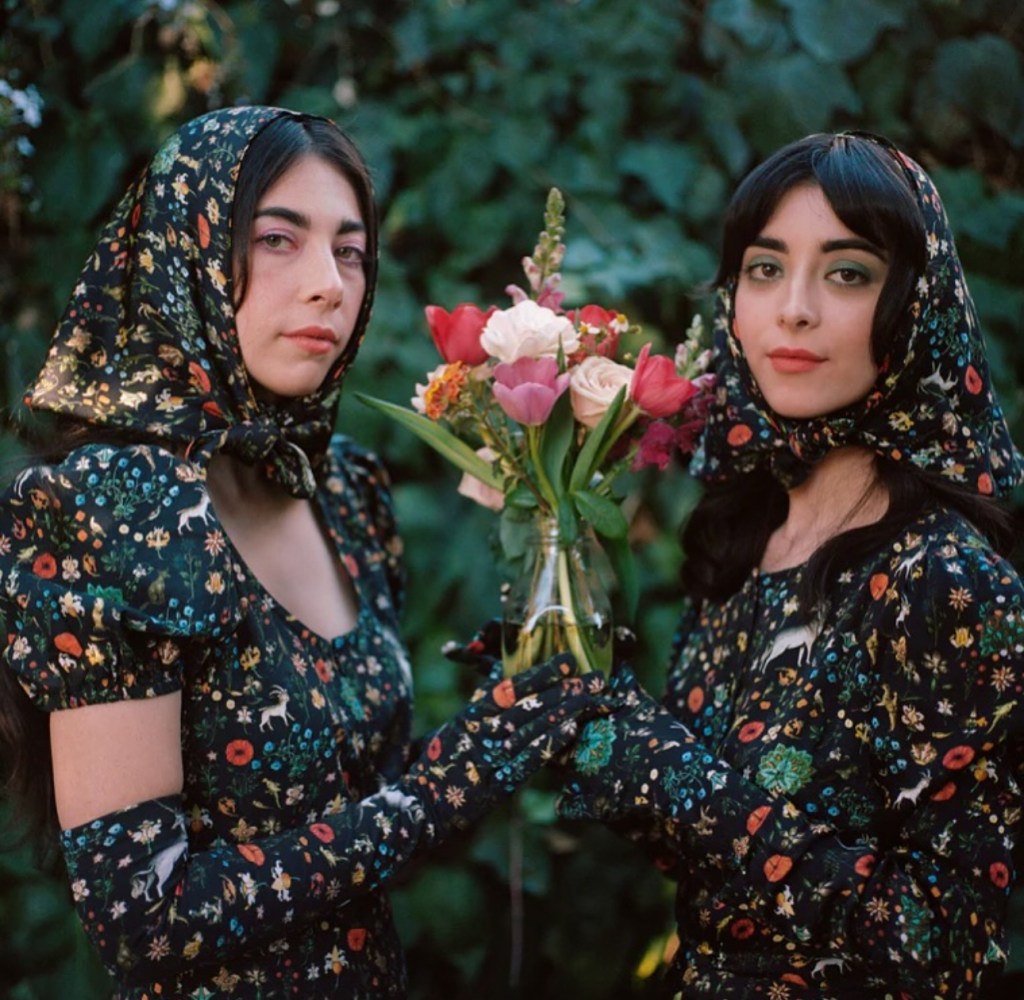
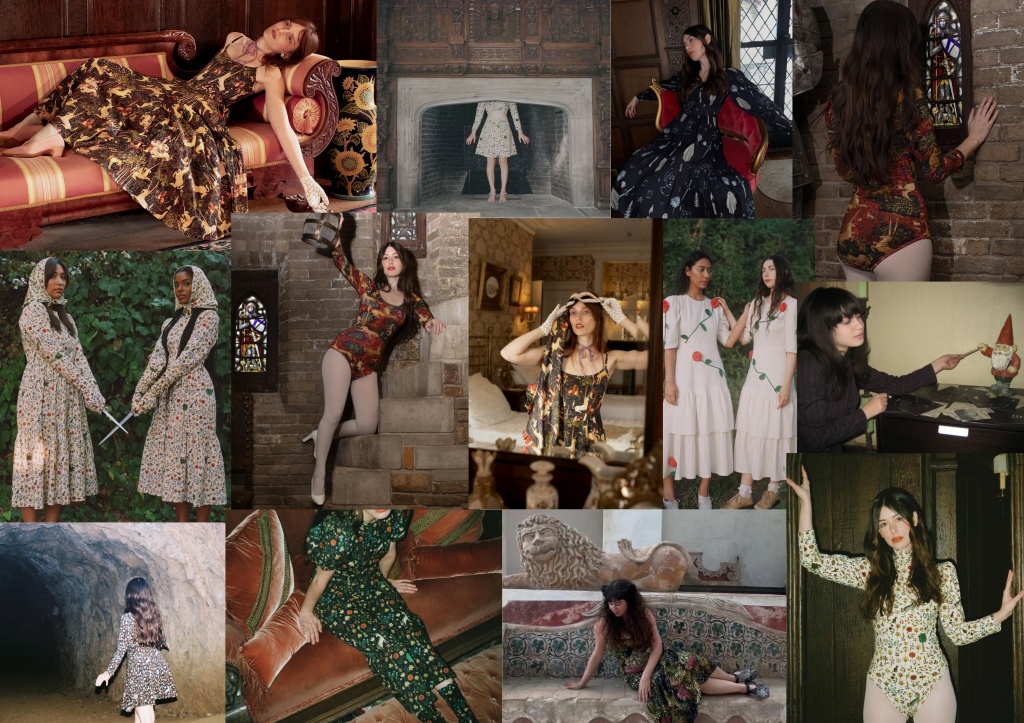
    Samantha Pleet has created a world where fashion feels like a fairy tale, where traces of magic are interlaced into the seams of everyday wear. Her designs are a portal between past and present—melding medieval romance, mythological grandeur, and historical silhouettes with a modern sensibility. Whether drawing inspiration from Joan of Arc’s fearless spirit or reimagining the unicorn tapestries in her textiles, Pleet’s work is a witness to the power of clothing as both armor and narrative. In this conversation, she shares the inspirations behind her collections, the role of storytelling in her creative process, and the enduring enchantment of fashion. 

    Interview With Samantha Pleet 

    Lauren Jane: With medieval-inspired fashion trending in the fast-paced world of micro-trends, how do you feel about this medieval resurgence aligning with your long-standing aesthetic, particularly as a designer committed to slow, intentional production? Does the trend’s fleeting nature challenge or complement your vision?

    Samantha Pleet: I love seeing people embrace medieval-inspired looks because dressing up should always be fun.  As a designer, I’m happy to see people experiment with fashion and don’t take trends too seriously. I also hope that some of this inspiration lingers beyond the trend cycle, even if it just becomes a small part of someone’s personal style. Fairy tales and magic should always have a place in the wardrobe.

    For me, this aesthetic isn’t a passing phase, it’s intrinsic to who I am. My love for fairy tales, films, and legends has shaped my work from the very beginning. When I was little, I had a magical old Victorian trunk filled with family heirlooms that I completely tore apart to create my own costumes and stories. I was obsessed with Shelley Duvall’s Faerie Tale Theatre and would weave my own narratives from those inspirations. Later, at Pratt, I studied the history of costume and spent hours in the archives at The Met. Traveling to places like Venice and Paris deepened my passion for historical fashion, and those influences became the foundation of my first collection in 2007, where we dressed models in coats and hardies, tricorn hats, and harlequin tights.  That inspiration has never left me, and it continues to inform everything I do.  

    Lauren Jane: Your designs feel like a bridge between the past and present, with medieval, mythological, and art historical references merged into contemporary silhouettes. What draws you most to historical narratives, and how do you reimagine them for modern wearers?

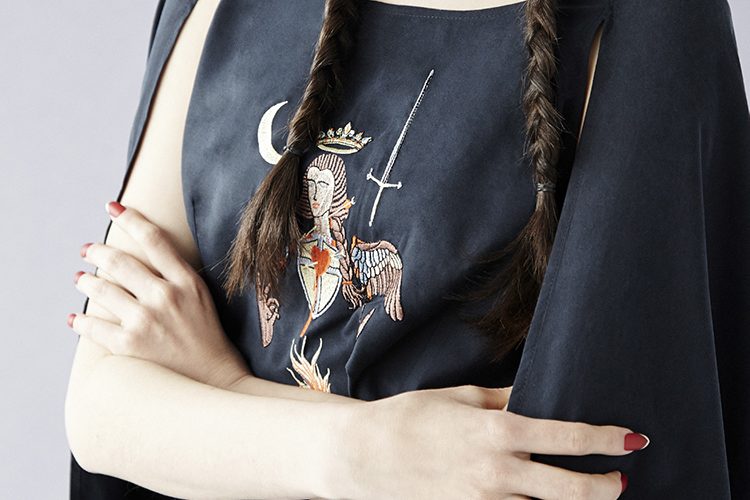
    Samantha Pleet: You can see my love of history in the way I name my pieces, they are inspired by legends, myths, and historical figures. For my Fall 14 collection, I drew inspiration from Joan of Arc, even creating a short film to bring the story to life. The silhouettes in that collection echoed armor, and we incorporated Joan of Arc embroidery as a nod to her legacy. But beyond the historical references, I want people to feel like they’re stepping into a story when they wear my designs. Fashion should make you feel like the heroine, or hero of your own adventure. That was also the season I first introduced our beloved Illuminated Print.

    Lauren Jane: Fashion often serves as armor for self-expression. What is one piece in your collection that feels most like armor to you?

    Samantha Pleet: The Shield Corset, not only does it have the silhouette of armor, but it also feels powerful when worn, it accentuates and protects the form. I love pairing it with matching pants as my interpretation of a suit, or sometimes with long gloves for an even more dramatic effect. There’s something magical about the way it all comes together. It makes you feel ready to step into the world even if your fairy tale for the night is a gallery opening instead of a duel.

    Lauren Jane: There’s an undeniable sense of storytelling in your collections—from Persephone’s journey through the underworld to Arcadian dreamscapes. How do literature, folklore, and mythology shape your creative process?

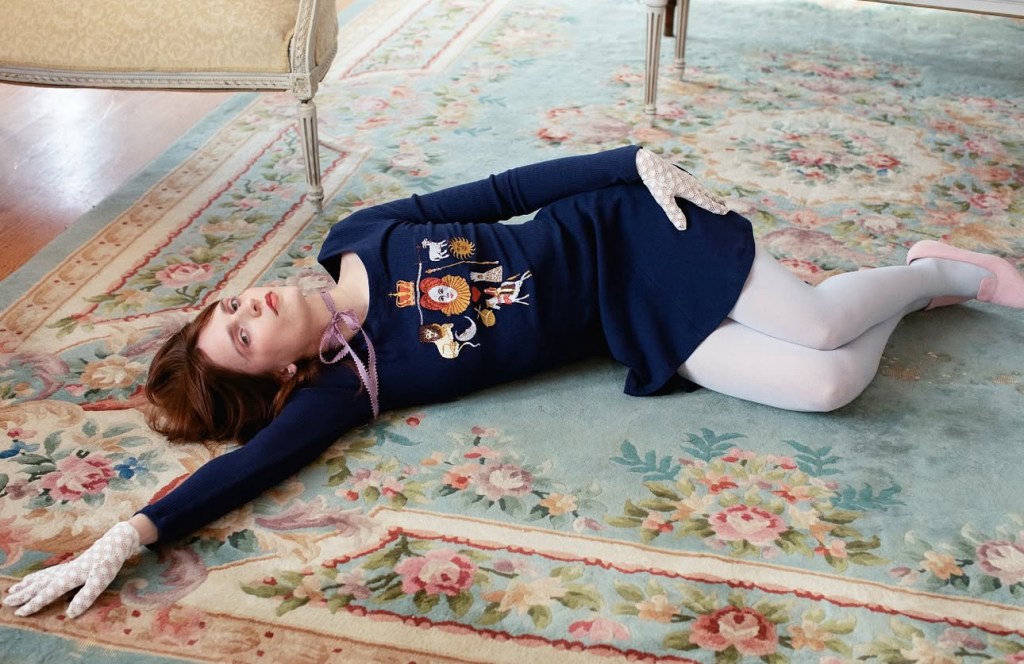
    Samantha Pleet: Storytelling is at the heart of everything I create. I need a reason and a passion behind each piece. My Persephone collection felt particularly epic, it embodied the balance of light and darkness that I think makes any design compelling. Right now, I’m preparing to re-release my Elizabeth collection, inspired by Queen Elizabeth ! who is such a fascinating, complex character. The embroidery in that collection is something I imagine she might have worn herself! I love thinking about what these historical figures would wear in a parallel, modern day universe.

    Lauren Jane: If you could step into any painting or literary world and design garments for its characters, where would you find yourself, and what would you create?

    Samantha Pleet: An obvious one for me is Midsummer’s Night’s Dream. I can just imagine all the magical clothing I could design for the characters to run around an enchanted forest and fall in love in,  I have always wanted to do a short film inspired by this.

    Lauren Jane: From rosettes to ribbons, texture plays such a role in your designs. Are there any historical garment techniques, silhouettes, or forgotten crafts you dream of reviving that you haven’t already?

    Samantha Pleet: There are so many techniques I’d love to explore further! I’d like to try beading and the idea of creating custom jacquards has intrigued me.  

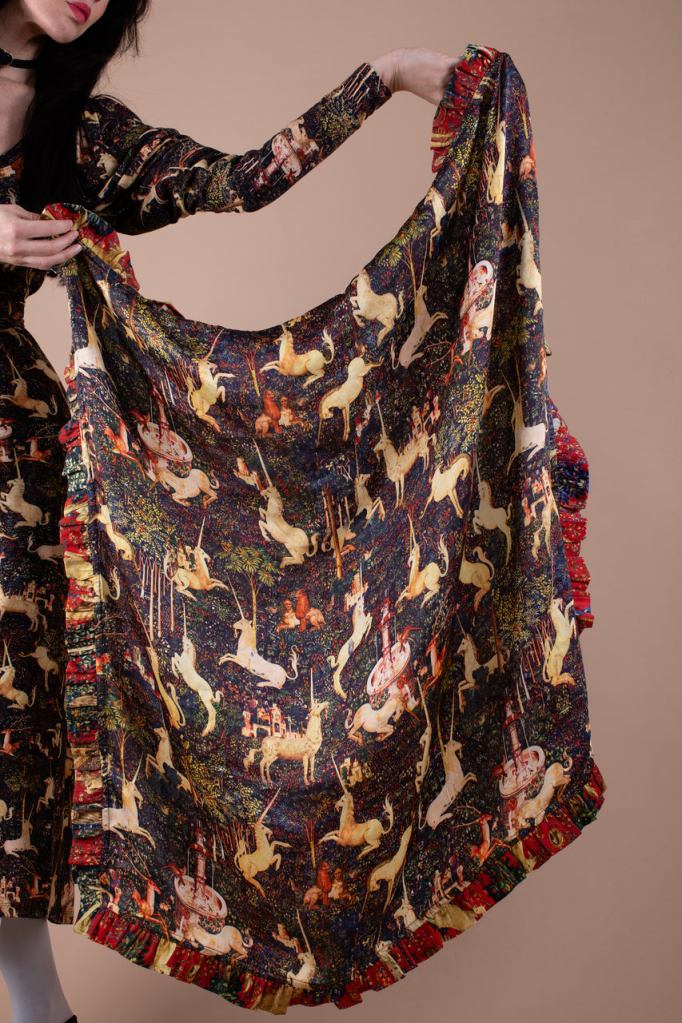
    One of my favorite explorations of historical craft is my Unicorn Tapestry print, that’s what I’d like to do in a jacquard.  I designed the print based on the famous medieval tapestries but removed the people so the unicorns could be truly free. I loved the idea of taking something so iconic and slightly altering the narrative letting the unicorns exist in their own world. It’s this kind of storytelling through fabric that excites me.

    Lauren Jane: Magic is at the heart of your brand. What does magic mean to you in the context of fashion, and how do you spin it into every collection?

    Samantha Pleet: I get a visual image that appears in my mind, and it takes me on a magical journey, becoming something you never imagined. What you have in the end, that is magic. what takes shape after playing around with color, silhouette, technique, and fabric and how it all comes together on the form.  It’s an emergent quality where the process leads to the magical result.

    After all, we all wish to feel like the free unicorn from the tapestry—untethered, ethereal, and part of a story larger than ourselves. Samantha Pleet’s designs offer just that: a way to step into a world where history, myth, and fashion intertwine. Her work proves that clothing is more than fabric; it’s a form of magic, a means of storytelling, and a way to embody the spirit of the past while moving boldly into the future.

    Shop Samantha Pleet Here!

  • Female Rage in Art

    Female Rage in Art

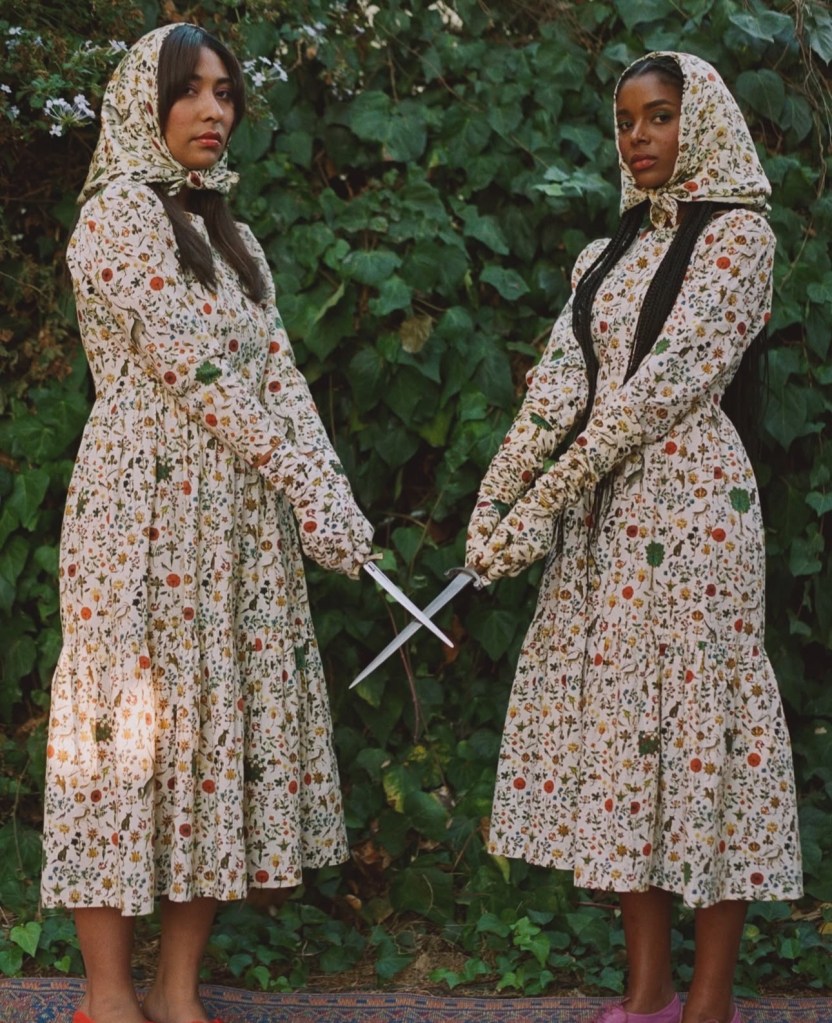
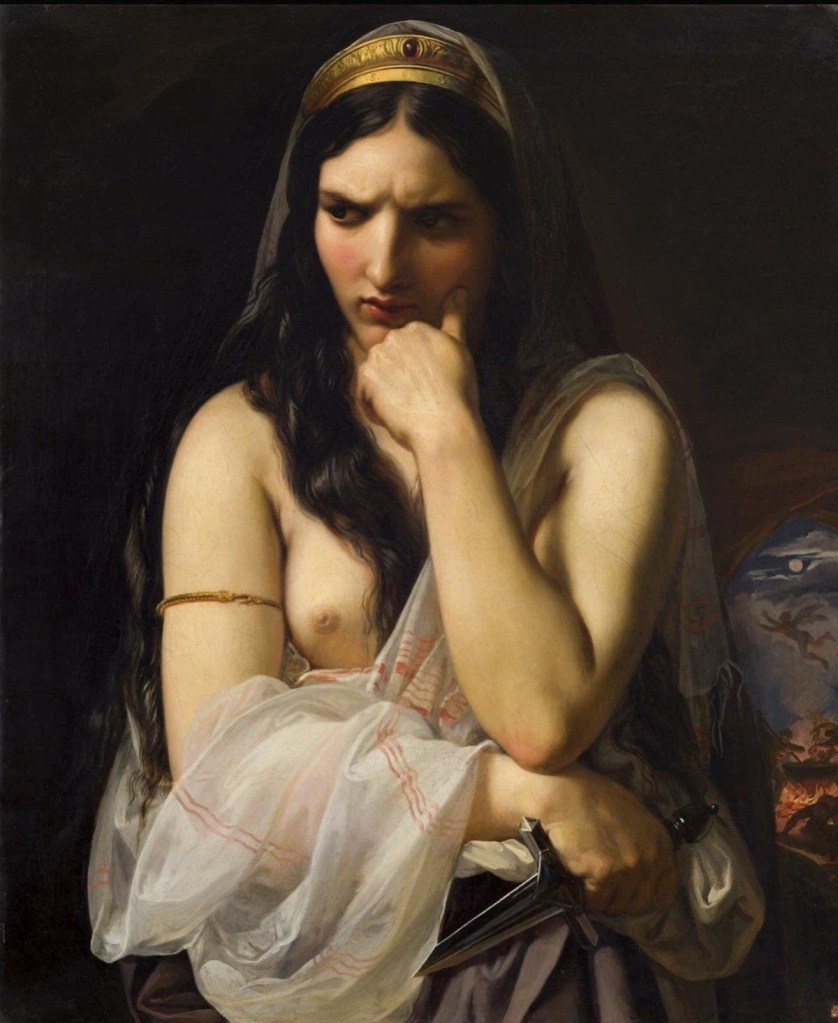
    There is something about female rage… Something beautiful. Something terrifying. And throughout art history, it has been documented, commodified, feared, and worshipped in equal measure.

    But then, sometimes, female rage doesn’t come with soft-focus lighting and a poetic backstory. Sometimes, it claws its way out in blood-red brushstrokes, in disjointed limbs and grotesque expressions. An art that makes the viewer wonder… Should I take a dagger to the thigh? 

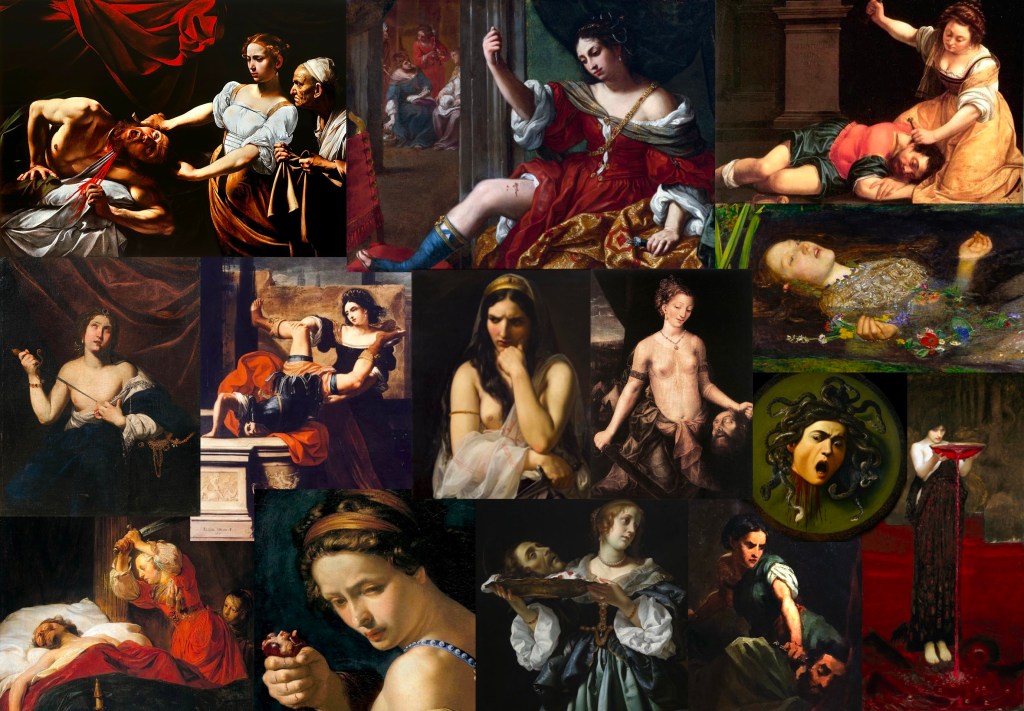
    Women’s anger, when it makes its way into art, is often dressed up in tragedy—Mad Ophelia sinking into the river, Medusa a deterrent example, Judith slaying Holofernes but still looking poised and elegant. Although there are few examples of women in this state depicted in Pre-Raphaelite oil paint, those that do exist hold a special place in my mind’s gallery.

    Take Artemisia Gentileschi, the original feminist painter, who pawed through the pages of the Bible story of Judith and Holofernes and said, “Let’s make this realistic.” The result? A painting where Judith isn’t just delicately smiting her enemy—she’s hacking at his throat with pure, unfiltered rage. Blood spurts. Tendons snap. Holofernes is not dying a cinematic death; he is dying ugly, and Artemisia made sure we knew it. This was personal.

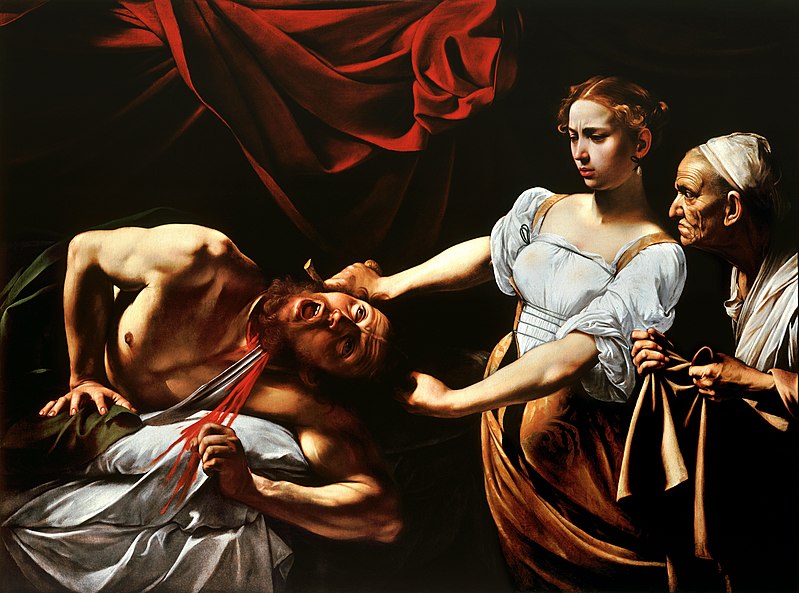
    Compare this to Caravaggio’s Judith Beheading Holofernes, where Judith’s expression is one of disgust and hesitance. She looks almost reluctant, as if she’s completing a distasteful chore. She wears an elegant white blouse, crisp and untouched by the carnage, making her seem distant from the violence she is committing. Meanwhile, Gentileschi’s Judith is fierce and determined, her sleeves rolled up, fully engaged in the act of revenge. She is not repulsed—she is resolute. This is the difference between painting a woman’s rage from the outside and painting it from within.

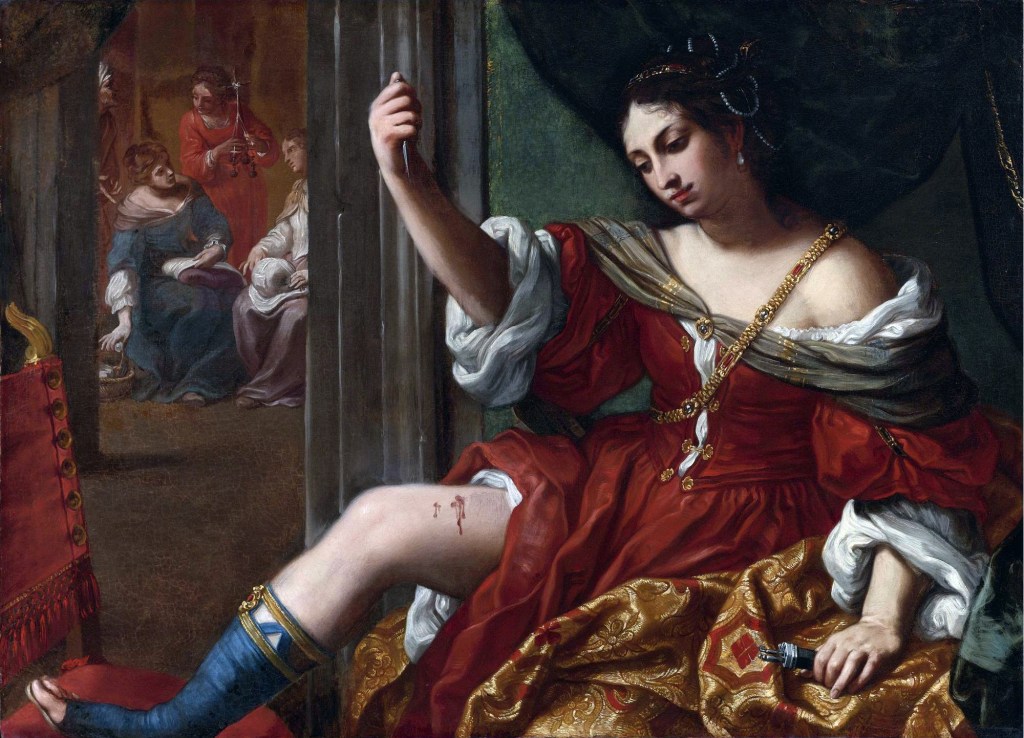
    The theme of female suffering and defiance is also captured in Portia Wounding Her Thigh, where Portia, the wife of Brutus, self-inflicts a wound to prove her strength and ability to bear pain. A dramatic and guttural moment, this act is both an assertion of willpower and an act of desperation.

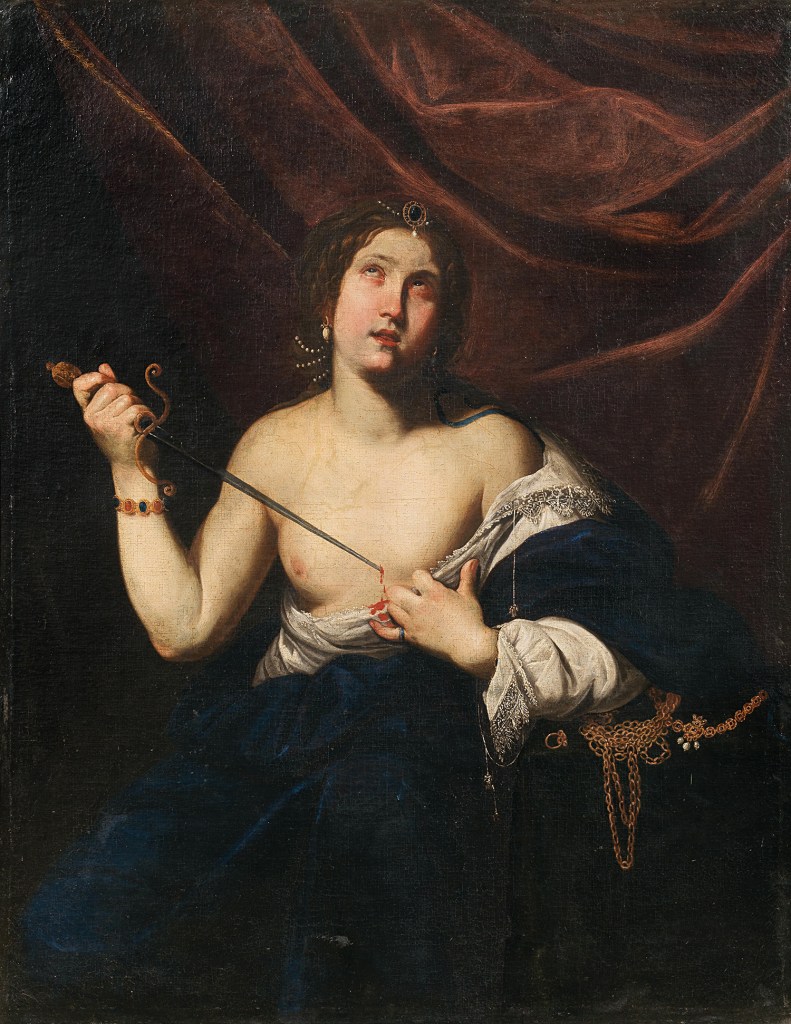
    We also see this theme in Artemisia Gentileschi’s Lucretia, where Lucretia, moments before her tragic suicide, is painted with raw emotion. Unlike other depictions that focus on her beauty or the elegance of her suffering, Gentileschi gives her a sense of agency—her expression is one of painful resolve rather than passive despair.

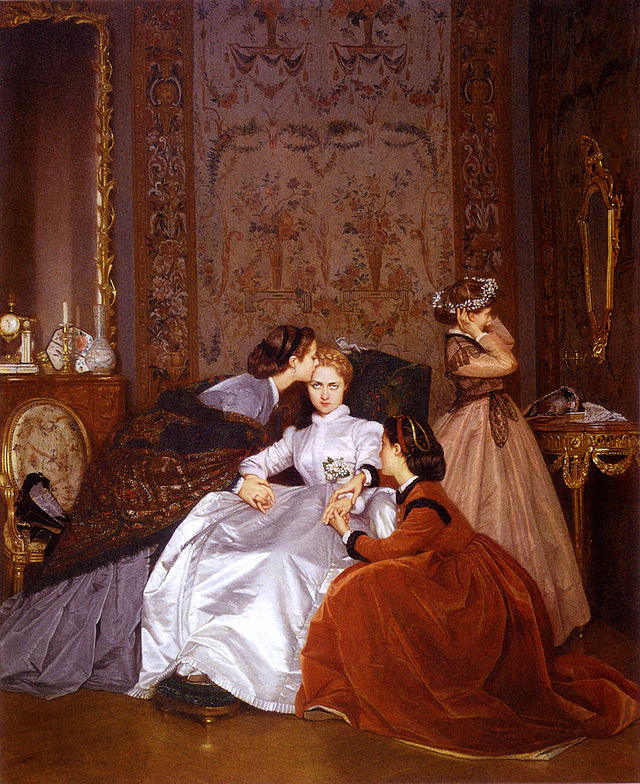
    Even in more restrained works like Auguste Toulmouche’s The Reluctant Bride, the simmering frustration is present. The bride, adorned in silks, sits frozen in place, her body language betraying a deep reluctance. It’s a quiet, suppressed rage—the kind that has long been expected of women. The kind that doesn’t get to scream, but still refuses to disappear. It is all in the eyes. 

    The thing about female rage is that it has always been there, but the world has spent centuries trying to dull its edges. Art is where those edges get sharpened again. And frankly, there is nothing more powerful—or more satisfying—than that.

    Chorus Leader: You would become the wretchedest of women.

    Medea: Then let it be.

  • Understanding Heroin Chic: The Aesthetic of the 90s

    Understanding Heroin Chic: The Aesthetic of the 90s

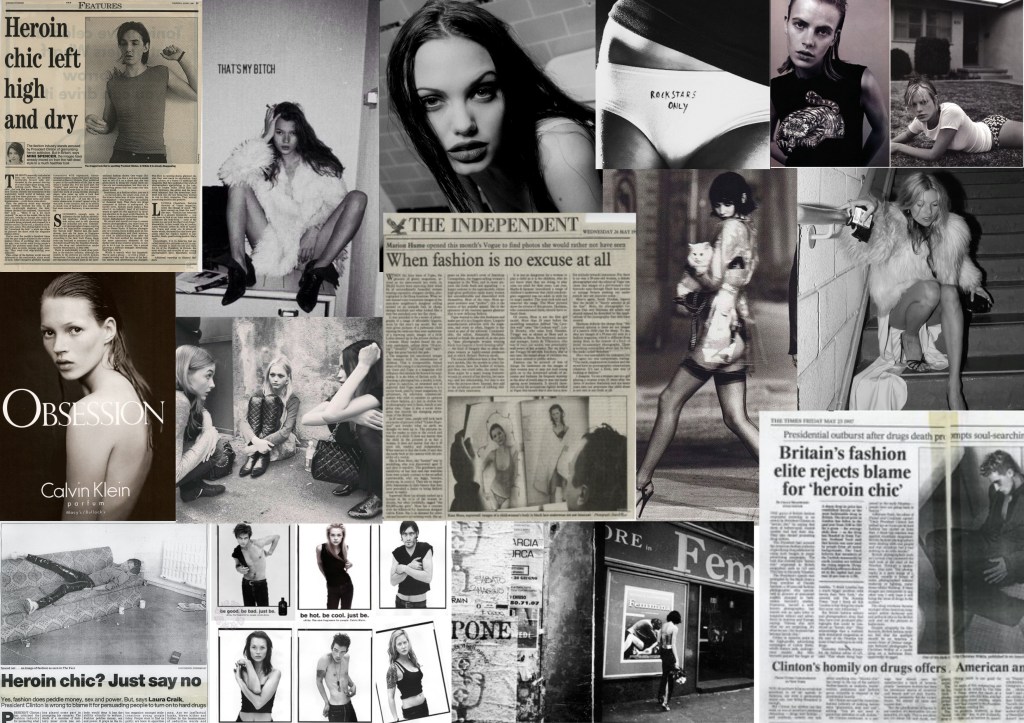
    Ah, Heroin Chic. Even the name drips with controversy, conjuring images of hollowed-out cheekbones, smudged eyeliner, and a willowy frailty that could snap in a stiff breeze. If the ’80s were cocaine-dusted, champagne-fueled opulence, the ’90s dragged the party into the bathroom stall and turned on the flickering fluorescent light. This wasn’t just fashion; it was a full-blown aesthetic manifesto: decay, addiction, and rebellion served up as sexy, gritty art.

    Kate Moss—our poster child for the movement—was the face of this revolution. Waifish and wide-eyed, she became synonymous with the look. Who could forget the first time you stumbled across the infamous quote on Tumblr, “Nothing tastes as good as skinny feels,” paired with Kate’s haunting gaze? It’s an image seared into the collective memory of anyone who’s ever searched “edgy thinspo” at 2 a.m. Designers like Calvin Klein lapped it up, splashing this aesthetic across runways and ad campaigns. It was androgyny, fragility, and just rolled out of a bar fight with my rockstar boyfriend chic—a sharp pivot from the ’80s supermodel era, where big hair, big smiles, and big egos reigned supreme.

    Behind the scenes, photographers like Corinne Day and David Sims doubled down on the rawness. Their work didn’t just flirt with the spirit of this aesthetic—it French-kissed it in a back alley. Unapologetically romanticizing the messy, tragic seduction of addiction and alienation. The aesthetic bled into pop culture, turning up everywhere from Vogue to MTV. It was grunge for your closet, nihilism in a mascara ad.

    But not everyone was clapping. Critics—and there were plenty—called the whole thing out for what it was: a thinly veiled glorification of addiction and an unhealthy body image. The timing couldn’t have been worse. While Heroin Chic’s hollow-eyed muses smoldered on magazine covers, the heroin epidemic was wrecking communities across the world. Addiction, suffering, and death weren’t chic—they were devastating.

    And let’s not forget the body image disaster. This era did a number on how we define beauty. Models looked less “fashionably thin” and more “haven’t eaten since the Clinton administration.” For anyone struggling with body image, this was gasoline on an already raging fire. Eating disorders spiked, and young people everywhere were left chasing an unattainable ideal.

    By the late ’90s, the pendulum started to swing back. Fashion had its oops, maybe we went too far moment. Healthier bodies began to appear on runways, and Heroin Chic was quietly shuffled into the “bad idea” file of fashion history. But the damage was done. The ripple effects—on both the modeling industry and society at large—are still felt today.

    And speaking of the modeling industry, sure, we’ve made progress. Runways now host a kaleidoscope of body types, and “body positivity” is more than just a trending keyword. But the shadow of Heroin Chic still looms, a cautionary tale wrapped in chiffon and eyeliner.

    So let’s call Heroin Chic what it was: a moment of rebellion that danced with danger but left us with scars. It challenged beauty standards, but at a cost we’re still paying. The toll? Hormonal wreckage, mental health crises, and a generation of young people who think happiness comes in size 0. While we might be tempted to romanticize it in the warmth of nostalgia, let’s not forget the cold, hard truth: some trends should stay buried in the archives. 

  • Romanticise Your Life: Find Beauty in Everyday Moments

    Romanticise Your Life: Find Beauty in Everyday Moments

    My Motto for Life: “Romanticise the World”

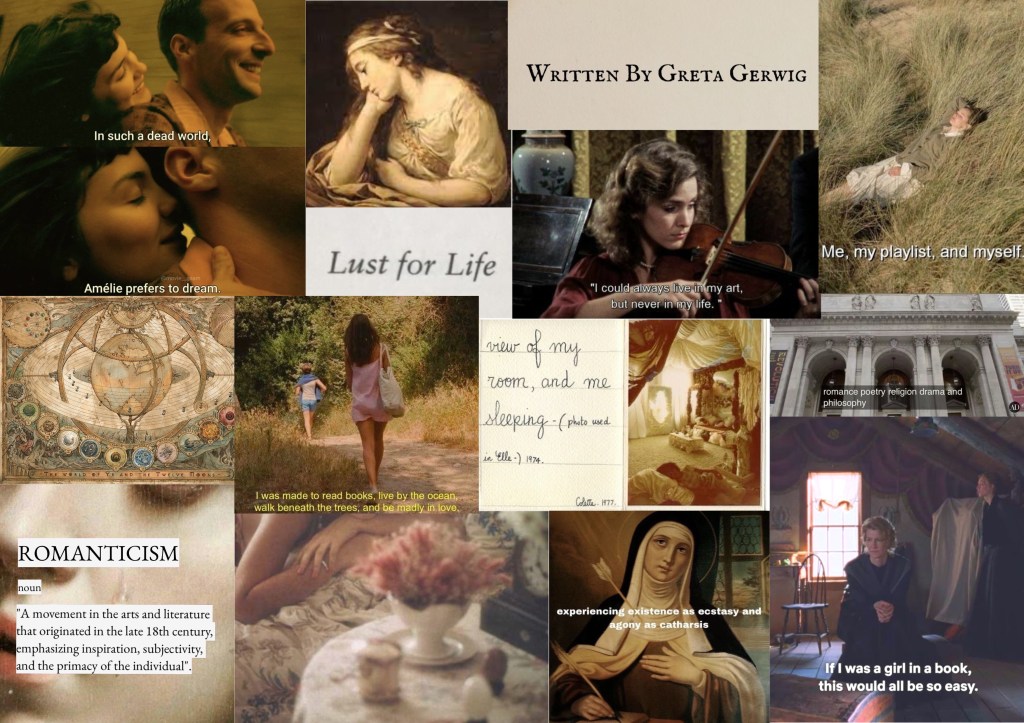
    If there’s one thing I’ve learned in my lust for life is that it’s all about making it feel more like an indie film and a little less like a laundry list of tasks. Life is infinitely better when you romanticise the world. To me, it’s not about ignoring reality but dressing it up a little—finding beauty in the mundane. I’ve always been drawn to the experience of everyday moments—those fleeting, seemingly insignificant instances that hold a quiet magic. A cup of tea steaming on a windowsill, the sunlight on cobblestones, the sound of your favourite song or a sweet scent that somehow makes you think of an old love. Call me sentimental, but I’d rather live as if I’m starring in my own heartfelt montage.

    Sometimes, even sadness has a strange kind of beauty. Melancholy is poetic—it’s the deep breath before you write a tear-stained journal entry or the rain against your window as you watch the world blur. Romanticising these moments doesn’t mean glorifying pain; it’s about finding the thread of beauty in them. It’s turning the gray clouds of your mood into a mood board for something meaningful. Think about the songs you listen to when you’re sad—aren’t they somehow the most beautiful? There’s a reason heartbreak inspires art. Melancholy teaches us to sit with our emotions, to feel deeply, and to reflect. There’s a quiet intimacy in sadness, a rawness that makes us human. It’s in these moments that we often understand ourselves better, that we tap into creativity, and that we can connect with others on a deeply empathetic level. If happiness is the sunlight, then melancholy is the moonlight—subtle, softer, but no less enchanting.

    Whether it’s a perfectly curated Pinterest board or the way you drape a scarf over your shoulder just so, aesthetics matter. They’re not frivolous; they’re how we make the ordinary extraordinary. You’d be amazed at how putting fresh flowers on your desk or lighting a candle can transform the day. Dress up—even if it’s just for yourself. Buy the fancy notebook. Life’s too short to wait for special occasions to make things lovely. The secret? When everything feels like an occasion, the world begins to sparkle.

    What’s a leading lady without her ensemble cast? Friends and love bring color to the grayscale moments of life, and they deserve their own cinematic close-ups. Romanticising your relationships means treasuring the traditions you share—like going to your favourite places together every week or sending secrets at midnight. Love, whether it’s a partner or platonic, is a story worth cherishing. It’s finding poetry in the way someone knows your coffee order or sends you photos of something that made them think of you. 

    Advice: How to Find Beauty in the Mundane

    1. Slow Down: Sometimes beauty hides in plain sight, but you have to stop rushing to notice it. Look up at the trees, watch the clouds, or just admire the way your tea steams in the morning light.
    2. Set the Scene:Create a little theater of beauty in your everyday life. Decorate your bedroom with soft lighting and cozy textures, and surround yourself with curated trinkets that tell your story—a seashell from a past trip, a framed photo, or a little statue that makes you smile. Turn even the most mundane routines into rituals that feel intentional and special.
    3. Look for Small Joys:Notice the quiet wonders around you—a stranger’s unexpected kindness, the satisfying crunch of leaves beneath your feet, chirping of birds in the morning, savoring how soft fabric feels warm and comforting against your skin. Seek out moments that make you pause, breathe, and feel grateful.
    4. Document It: Take photos, keep a journal, or make playlists that capture how a moment feels. Memory fades, but art keeps the beauty alive.

    Life won’t always hand you grand, sweeping gestures, but it will give you endless small moments of wonder if you know how to look for them. Immerse yourself in a story that changes the way you see the world. Devour a book that opens your eyes to new truths and shakes the foundations of everything you thought you knew. Watch a film that lights a fire in your soul, reminding you of the beauty, power, and fragility of the human experience. Here’s to romanticising the world—may your days feel like poetry and your nights like dreams. Now go light that candle.

  • The Coquette And The Cathedral: A Love Letter To My Personal Style.

    The Coquette And The Cathedral: A Love Letter To My Personal Style.

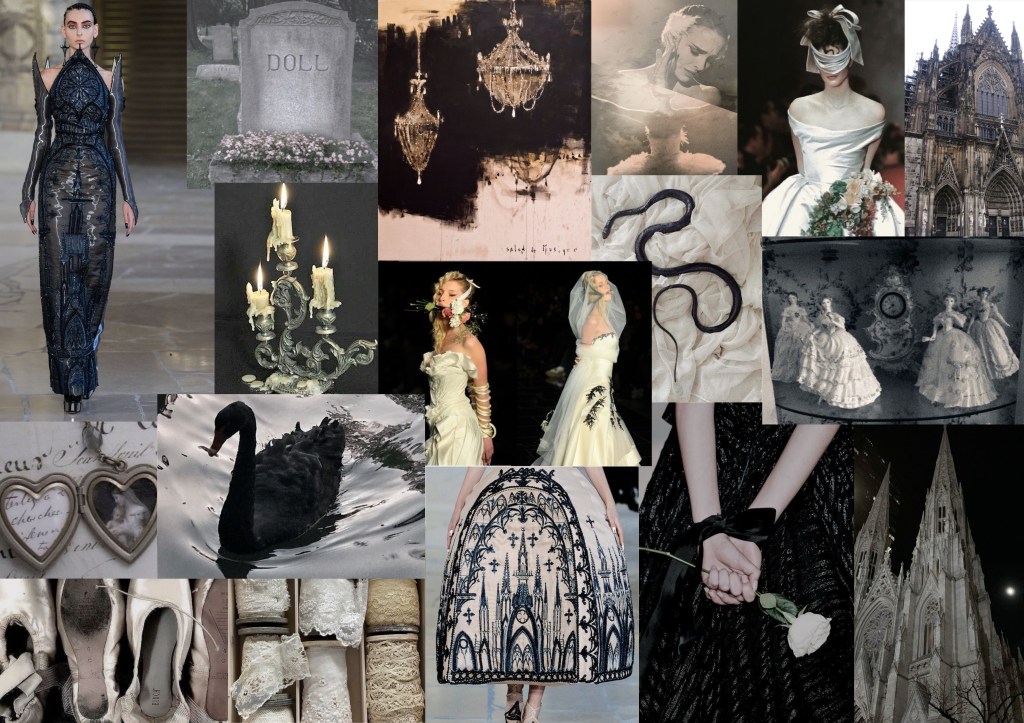
    There’s something deliciously compelling about the combination of lace and limestone, the curve of a coquette’s skirt twirling past the soaring arches of a gothic cathedral. Architecture and fashion, though seemingly worlds apart, share a magnetic pull: both seek to define space, to tell a story, and to captivate anyone who dares to look. This dance between the delicate and the dramatic has never been more relevant as coquette fashion finds itself in an unexpected romance with the shadowy architecture. What’s funny is that, on paper, these two styles couldn’t be more different—the whimsy and blush of coquette versus the ominous majesty of the gothic—but opposites, as they say, attract.

    Picture it: the image of a high-collared blouse with puff sleeves against the backdrop of a towering cathedral. The ruffles catch a gentle breeze, the soft fabrics swirling around pillars carved with ancient figures. The coquette look might seem delicate, but much like the gothic facade behind it, it holds an edge beneath its softness. This isn’t a damsel but rather a modern spirit with a vintage soul, strolling through the cathedral’s nave like it’s just another Tuesday. Coquette fashion, with its heart-shaped buttons, dainty bows, and feminine details, whispers sweetness, but when paired with something as grand as my favored architecture, the style transforms, gaining a sense of gravity.

    The contrast is part of the magic. Gothic architecture was, after all, designed to make you feel small, to inspire reverence and a certain awe. But coquette fashion—a delightful mix of flirtation and femininity—softens this grandiosity, coaxing out a sense of intimacy. The cathedral becomes less foreboding and more like an enchanting scene from a period drama, with our coquette stepping in as the heroine. It’s as if she’s waltzing through history, adding her own gentle defiance to a space traditionally associated with solemnity. Who said you couldn’t bring a little blush-pink into the hallowed halls?

    The coquette-gothic romance isn’t just about aesthetics; it’s a story of character. Gothic cathedrals are celebrated for their grotesques and gargoyles, little carved creatures that peer out from hidden corners. In fashion terms, these are the delightful quirks of the ensemble: the tiny unexpected elements—a bow, a velvet ribbon, a cheeky brooch. In both realms, there’s an appeal to detail, to the intricacies that make each element memorable. And while a cathedral’s gargoyle might look slightly intimidating, the coquette’s dainty pearl necklace or delicate lace.

    Historically, coquette fashion and gothic architecture both emerged from periods of transformation and upheaval. Gothic architecture blossomed in the Middle Ages, when Europe was reimagining itself through culture, spirituality, and art. Similarly, the coquette style, with roots in 18th-century courtly flirtations and revived in various forms since, has always symbolized a sense of playful rebellion against societal expectations. While the cathedral stands as a reminder of enduring tradition, the coquette brings in the winds of change, a little charm, and perhaps a hint of defiance to shake things up.

    For those willing to blend these styles in everyday fashion, a touch of gothic coquette can be surprisingly wearable. Imagine a fitted blazer with lace trim, paired with a ruffled blouse or velvet skirt—a combination that nods to gothic grandeur but is still light enough for the modern coquette. Accessories can do much of the work here: think ornate earrings reminiscent of stained-glass windows or delicate gloves that bring to mind the finery of a past era.

    In the end, the romance between the coquette and the cathedral reminds us that style is a playful exploration of contrast and character. By blending these two seemingly opposed aesthetics, we’re invited into a world that’s both soft and strong, whimsical and powerful. It’s the kind of love story that doesn’t take itself too seriously, winking at tradition while giving it a gentle nudge into the present. After all, who says you can’t wear your heart on your sleeve—or, in this case, a ruffled blouse and a gothic brooch—while standing beneath the arches of history?

  • Four Iconic Bags: A Tribute to Stylish Muses

    Four Iconic Bags: A Tribute to Stylish Muses

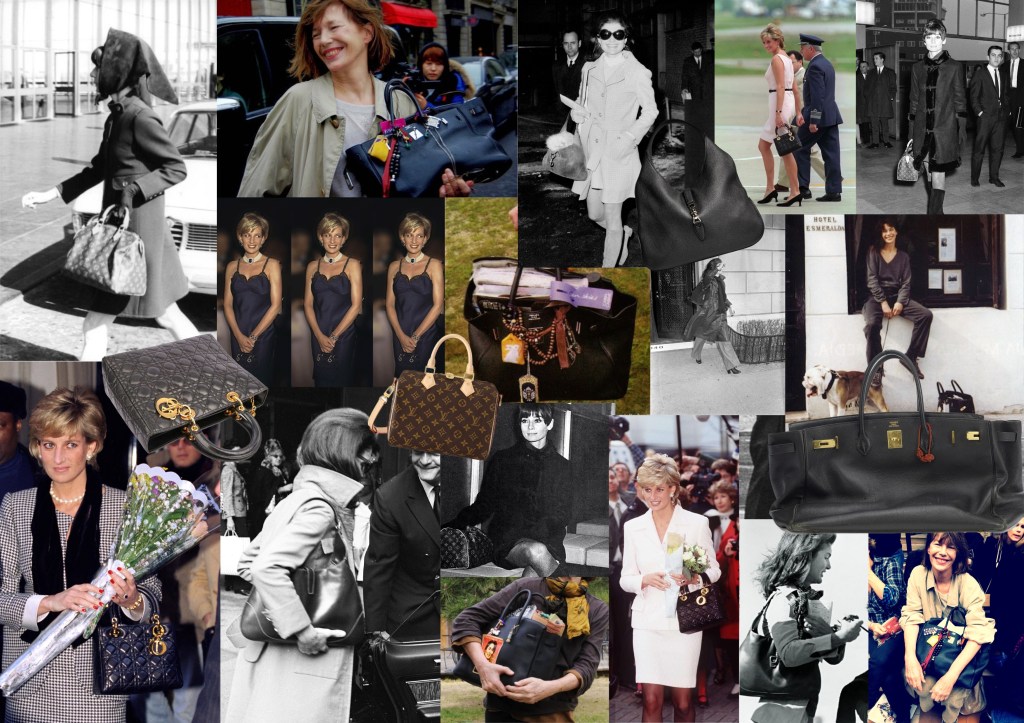
    Audrey, Diana, Jackie, and Jane—what do they have in common besides fabulous wardrobes that are forever cemented in the universe of fashion? Well, when you’re the walking definition of chic, it’s basically a requirement to inspire a handbag. That’s right—if you haven’t been the muse for some designer’s “It” bag, are you even a fashion icon? From Audrey and Jane’s jet-setting escapades to Diana and Jackie’s unfortunate oversized marital accessories (now more commonly known as King Charles and JFK), these women didn’t just set trends—they were, quite literally, the blueprint of fashion. And nothing says “immortal style” like a handbag that bears your name.

    Let’s dive into the early 1960s when women’s accessories were either delicate and dainty for evening events or large and cumbersome for travel. Also, when people wore much more than Lululemon leggings and a fjall raven Kanken backpack to the airport (can you imagine?), when air travel was glamorous, Audrey Hepburn was flitting from set to set, filming iconic movies like Breakfast at Tiffany’s. Naturally, she needed a bag as elegant and functional as she was. Enter Louis Vuitton.

    At the time, the Louis Vuitton Speedy was already a staple for stylish travellers, but it came in sizes that were, well, speedy in name but not exactly petite in design. The original sizes (30, 35, and 40) were ideal for jet-setting, but Audrey had other ideas. She requested a smaller version—a size that would fit into her everyday life. Vuitton obliged, and thus, the Speedy 25 was born. This bag quickly became her signature accessory, often nestled on her arm as she sauntered through airports and film sets. 

    Its balance of form and function made the Speedy 25 revolutionary. Before Audrey’s influence, handbags were often too structured or over-embellished for casual use. The Speedy, however, was crafted from Louis Vuitton’s signature coated canvas, which made it both durable and lightweight—perfect for the demands of an international star but practical enough for anyone. The bag’s rounded shape and roomy interior also meant you could fit your essentials (and let’s face it, a little more than just a lipstick and compact). The smaller size gave it a more feminine and refined edge, aligning perfectly with Hepburn’s aesthetic. I, too, own the speedy 25-brown monogram for this exact reason. When I carry this, I hope I exude her elegance and hopefulness for kindness in the world.

    Similarly, in 1983, Jane Birkin, famous for her bohemian charm, French-girl style, and being Hermes’ muse, As legend has it, she found herself on a flight from Paris to London. Seated next to Jean-Louis Dumas, the head of Hermès. Mid-flight, Birkin spilt the contents of her famously overstuffed straw tote all over the aisle. As she scrambled to collect her things, she complained to Dumas about how difficult the search was to find a leather weekend bag that was both practical and stylish. As one for a challenge, Dumas sketched the design of what would eventually become the Birkin bag on an air sickness paper bag. 

    This impromptu brainstorming session resulted in a handbag that was large, supple, and effortlessly chic—just like Jane herself. It was designed with a spacious interior (to avoid another mid-flight spill), sturdy leather, and a shape that could easily transition from airport style to Parisian café cool. Thus, the Birkin was born.

    She wasn’t just the perfect ambassador for a bag; she was a walking embodiment of it, and her personal style reflected the changing attitudes toward fashion in the late 60s and 70s. Birkin’s appeal was all about breaking the rules. She wore mini-dresses and flats to formal events, embraced androgynous fashion long before it was trendy, and made baskets look like haute couture. So when Dumas created a bag for her, it wasn’t just a nice accessory—it was designed with her lifestyle in mind. The Birkin bag had to be functional and roomy yet still exude that undeniable luxury that comes with the Hermès name. And that’s precisely what the bag became.

    Jane was famously nonchalant about the bag that bore her name. She used it to carry everything from baby bottles to scripts and even slapped stickers on hers to make it feel more personal. It is a reminder that the most luxurious things in life often come from the most unexpected moments—like a spill on a plane and a creative spark that followed. 

    Another pairing I adore is between Dior and Princess Diana. Diana’s influence on fashion was nothing short of revolutionary. And among the many stylish moments she gave us, none is more quintessential than her association with the Lady Dior bag. Given by the French First Lady, Bernadette Chirac, when Diana received the beautifully quilted, structured handbag, something magical happened. She loved it. So much so that she began carrying it everywhere, from official visits to her philanthropic engagements. Soon, the bag became her go-to accessory, photographed alongside her wherever she went.

    Just like Diana herself, It could easily transition from day to night, from a charity gala to a stroll through a Parisian garden. This adaptability mirrored Diana’s evolution from a shy, young princess to a confident, self-assured global humanitarian. Her love for Lady Dior reflected her growing independence and how she wielded fashion as a personal power statement.

    She inspired a movement of women who saw her as a beacon of strength, compassion, and independence. And that’s what makes the Lady Dior so much more than a handbag—it’s a reminder of Diana’s powerful influence and her unwavering ability to redefine what it means to be stylish and robust.

    Another favourite story of mine is a nod to one of fashion’s most iconic muses: Jackie Kennedy Onassis. The former First Lady of the US was so smitten with this particular handbag by Gucci. Initially introduced in the 1950s, it was known as the “Constance,” a sleek, hobo-style handbag crafted from soft leather and featuring the brand’s signature piston-shaped closure. The Jackie bag was also ahead of its time in terms of functionality. Jackie Kennedy was known for her practical approach to fashion—everything she wore had a purpose, and the Jackie bag was no exception. It was roomy enough to carry all her essentials. The design was minimal yet luxurious, which probably caught Jackie Kennedy’s eye in the first place.

    Whether she was stepping off a yacht in Capri, strolling through New York, or dodging paparazzi in Rome, the bag was always by her side. It became clear that this wasn’t just any handbag—it was Jackie’s handbag. Gucci made a strategic decision by recognising the marketing gem they had in the form of Jackie’s adoration for their design. They renamed the bag the “Jackie” in honour of the woman who had made it an international sensation.

    The story of the Gucci Jackie isn’t just about a bag—She didn’t follow trends; she set them. She knew what worked for her, and the world followed suit. The Gucci Jackie reflects that same spirit—classic, versatile, and always relevant.

  • Frazzled English Woman: The Aesthetic of Embracing Chaos

    Frazzled English Woman: The Aesthetic of Embracing Chaos

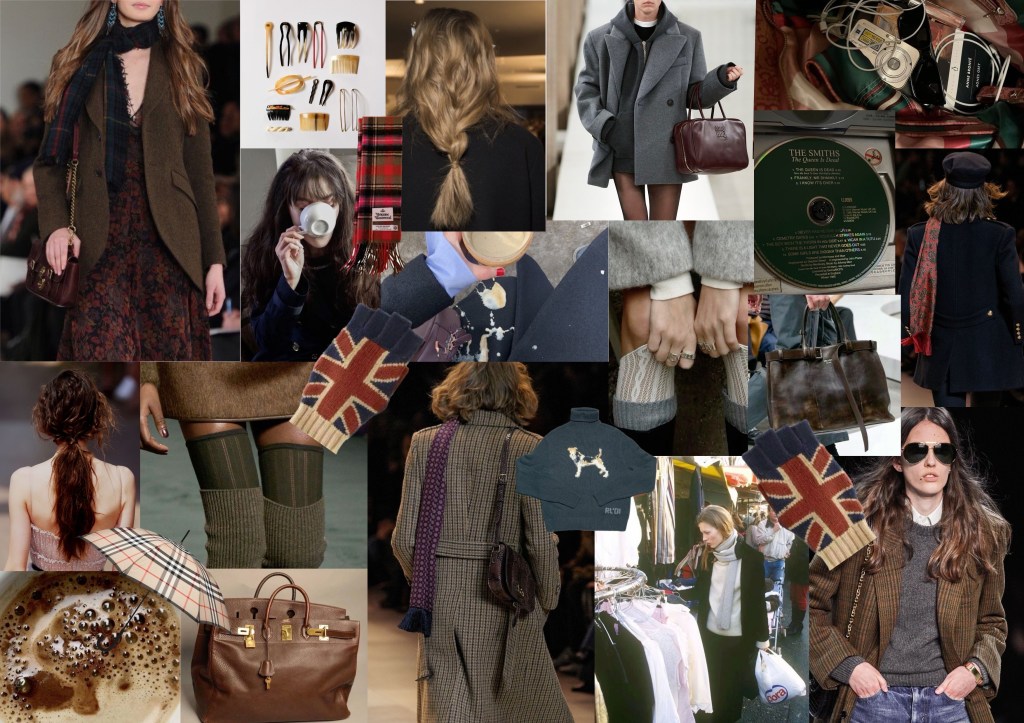
    The “Frazzled English woman” aesthetic is an illustrious mess, a balancing act between nearly having it all together and complete chaos. Imagine this: a woman speed-walking through London in a trench coat she definitely didn’t iron, holding a half-spilled latte in one hand and a cracked iPhone 16 frantically pressed to her ear with the other. Her hair is in a bun that might have started as a slick, neat updo but has since evolved into a Picasso of flyaways. She’s got a leather bag that looks too small to hold anything useful but is somehow bursting at the seams. And yet—she looks effortlessly chic, as if this entire state of disarray was curated by a team of stylists.

    The wardrobe essentials of the frazzled English woman? Think a half-buttoned silk blouse, trousers that are somehow both too short and too long, and either ballet flats or boots that scream “I swear these were comfortable when I bought them.” Accessories? the unsung heroes of this aesthetic. A scarf that started as a chic accent but is now slowly strangling her? Check. Oversized sunglasses on a rainy day because she forgot her umbrella and mascara is running down her face? Absolutely. There’s a certain art to appearing as though you’ve just run for the train, missed it, but still managed to land on the cover of Vogue. It’s about looking rushed but still slightly put-together—like you could book a last-minute flight to Paris if you weren’t currently lost in Sainsbury’s trying to remember if you’ve run out of oat milk.

    Makeup is optional, of course. Most days, it’s a quick swipe of mascara applied while power-walking to the tube. But looks like her personal masterpiece? That red lipstick she puts on sat on the second floor back seat of the bus just before a 4 p.m. meeting—bold, slightly wonky, and completely incongruent with her morning look. Smudged, sure, but that’s part of the charm. It says, “Yes, I’ve been through three existential crises today but in a cool way.”

    The frazzled woman doesn’t have time for proper outerwear, so her coat game is always one of two extremes. Either it’s an oversized, vintage trench that billows behind her dramatically as she runs for the train, or it’s a blazer she grabbed in a panic that’s definitely wrinkled from being shoved in her bag. Either way, she’ll look like she’s about to star in a BBC miniseries about a woman on the edge—but in a fabulous way.

    What makes this aesthetic so iconic is that she’s relatable. She’s not trying to be perfect. Her hair’s always got a mind of its own, her clothes are always seconds away from disaster, and her phone’s always on 1% battery. The Smiths are blasting through tangled wired headphones. But she keeps going, charging through her day like a chaotic tornado of fashion, responsibility, and unresolved personal dilemmas. In a world obsessed with polished Instagram perfection, she’s a breath of fresh, messy air.